Archive for the 'Pet Health' Category


Dealing With Bird Flu And Keeping Your Pet Free From It

Monday 4 May 2009

bird fluBird flu is not only common among birds; it can be spread through humans and other pets.

It’s deadly to birds and it’s definitely not a pretty sight when you see a bird infected with bird flu. But it can also be fatal to humans as well.

Many people have died because of bird flu and you certainly do not want to be a statistic.

Your pet bird may contract the disease from you if you happen to handle other infected birds without knowing it or they may contract it through other pet birds in the area.

Symptoms of bird flu noticeable in pet birds include loss of appetite, head swelling and ultimately death. You can get rid of it so that you can save your bird from the inevitable death.

Not only are you saving your bird but you will also be making sure that it does not spread to other pets and your family.

If you are interested in collecting a large collection of birds as a hobby, you should be careful about the type of birds that you collect. One infected bird may spread the disease to all other clean birds and at a faster rate when they are packed together.


The Work Of The Pet Cancer Foundation

Friday 24 April 2009

pet cancerThe Pet Cancer Foundation was set up to provide advice and support to owners of pets throughout the United States.

Its aim is to increase pet cancer awareness and to assist people who have sick animals in taking the right care of their pets. [Pet Care]

Free consultation is vital as often expensive charges can mean that domestic animals do not get the treatment that they require, often resulting in death.

The Pet Cancer Society offers a free resource, which can not only be accessed by owners but also local veterinarians.

The web site gives details of how a free consultation from a certified animal oncologist can be obtained. The latter will be able to detail the medicines required and highlight the most effective care required for the specific cancer that has been diagnosed.

Pet’s Best Insurance, who support the Pet Cancer Foundation, have pledged one million dollars to a Cure Canine Cancer drive set up by the Morris Animal Foundation (MAF).

It is hoped that within the next two decades dog cancer will be eradicated completely. Author and veterinarian, Dr. Alice Villalobos is convinced that offering a free consultation service will save the lives of numerous pets.


National Pet Dental Health Month Pushes Annual Checkups

Wednesday 25 February 2009

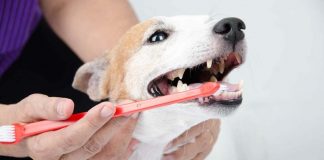
pet teethThis month the National Pet Dental Health month was organized to educate all pet owners on how important it is to check their pets’ teeth.

More often than not we neglect the hygiene of our pets’ teeth, not realising that keeping our pets’ teeth clean, is just as important as it is for us.

The accumulation of plaque due to neglected dental hygiene will eventually cause periodontal problems, thus the need to keep our pets teeth regularly clean.

The American Veterinary Dental Society stresses the importance of dental hygiene in our pets, for 85 percent of cats and dogs develop oral diseases as early as the age of four.

The same process of dental decay occurs in pets as in humans, due to the accumulation of bits of food in their teeth. This will eventually form plaque and tartar and cause gingivitis.

If this is not treated, more serious disease may develop such as periodontal disease, which will lead to bad breath, tooth decay, bleeding gums and the loss of teeth. Severe periodontal disease may even cause death.


Dental Problems In Pets Cannot Be Ignored

Saturday 21 February 2009

pet healthDental problems are often neglected in pets, we often find out they do have a problem when it is already quite serious, it is therefore important to regularly check with the vet in order to avoid delayed reactions.

One cannot rely on a simple external examination, therefore dental x-rays are important for they will help determine if there are concealed dental problems, as in many cases the problems lie under the gums.

When your pet needs treatment he will need specific care, which cannot be done while the pet is awake for it will not keep still, it will therefore need to be anaesthetized.

Under anaesthesia the vet can carefully check the pet’s teeth for any fractures, decay or mobility and if more important intervention is required your pet will be given additional painkillers and other appropriate drugs during and after the operation.

Periodontal disease must be detected by an individual examination of the pocket depths around each tooth, it is essential to take your pet for routine checks, for it can lead to infection and dental extraction will be needed.


Signs Of Osteoarthritis In Pets

Wednesday 18 February 2009

degenerative joint diseaseDegenerative joint disease (DJD) is a common problem, which occurs in the elbow, hip, knee, wrist, ankle, shoulder or spine of our pets.

It can arise from the ordinary daily use and age of our pets, though it can also arise due to a painful incident.

Amongst those pets suffering more often of the disease are the obese, the more athletic or those with congenitally abnormal joints.

In Osteoarthritis the cartilage in the joint is worn out slowly, leaving the pet without shock absorbers for the joints, thus causing pain and impeding its movements.

It is difficult to detect for it does not affect the nerves and offers no forewarning, once the cartilage has started to wear out it is difficult to treat and reconstruct.

Commons signs for DJD are problems in climbing stairs as well as standing and sitting positions. Pets no longer jump off on the divans or beds as eagerly as they used to and are often touchier.

They tend to limp and no longer like to take long walks, although the stiffness is less obvious once they have warmed up.


«« Previous Posts